
social services;”The best way to find yourself is to lose yourself in the service of others.” Mahatma Gandhi’s words highlight the value of community support. This is what local resources are all about.
211 is a great example of a service that links neighbors to daily help. It makes lives better and offers support when needed. This kind of service brings people closer together, creating a stronger community.
It’s important to understand the role of community assistance programs. They have a big impact on our lives and those around us.
Key Takeaways
- Local resources play a vital role in community support.
- Services like 211 connect individuals to necessary assistance.
- Community assistance programs foster a supportive environment.
- Understanding these resources is key to appreciating their impact.
- They help in making lives better and providing crisis support.
Understanding the Social Services Landscape in America
The social services in America are complex and help many people. They offer community support and social welfare assistance. It’s important to know the history and how the government runs these programs.
The Evolution of Social Services in the United States
Social services in the U.S. have changed a lot over time. They started with basic help but now cover many areas. This change shows how society and the economy have evolved.
Key Government Agencies Overseeing Social Services
Many government agencies manage social services. The Department of Health and Human Services, the Department of Housing and Urban Development, and the Department of Labor are key. Knowing their roles is essential, whether you work locally or nationally.
211 is a service that helps find local resources. These agencies work together to meet the needs of everyone in the country.
Types of Social Services Available to Communities
Communities have access to many social services. These services help individuals and families in need. They cover healthcare, housing, employment, and education.
Outreach programs are key in connecting people with these services. For example, United Way211 connects you 24/7 to local resources. This makes it easier to find help.
Federal Social Service Programs
Federal programs are a big help nationwide. They tackle big issues like poverty, healthcare, and education. Programs like TANF and SNAP are examples.
State-Specific Social Service Initiatives
States also have their own social services. These are made to fit their unique needs. They include healthcare, housing, and education support.
County and Municipal Support Systems
Local governments are vital in social services. They offer non-profits, health centers, and more. These are easy for people to access.
| Level of Government | Examples of Social Services | Key Features |
|---|---|---|
| Federal | TANF, SNAP | National coverage, standardized eligibility |
| State | State-funded healthcare, housing assistance | Tailored to state-specific needs, varying eligibility |
| Local (County/Municipal) | Community health centers, local non-profits | Community-based, often more accessible |
Navigating the Social Services System Effectively
To navigate the social services system well, knowing the first steps and what you need is key. Family support services are very important. They help by giving aid and resources to those who need them.
First Steps to Accessing Social Services
The first thing to do is figure out what kind of help you need. This could be money help or health care. United Way211 is a great place to start. They have an online directory to help you find services close to you.
Understanding Eligibility Requirements
What you qualify for depends on the service and who offers it. Usually, it’s about how much money you make, how big your family is, and what you need. It’s important to check the rules for each service to see if you can get it.
Documentation Needed for Applications
Getting the right documents is a big part of applying. You’ll often need proof of how much you make, who you are, and where you live. Having these ready can make applying easier.
Need Help Now? Search the United Way211 online directory to find resources near you.
| Required Documents | Purpose |
|---|---|
| Proof of Income | To verify income level for eligibility |
| Identification | To confirm identity |
| Residency Proof | To establish place of residence |
Financial Assistance Programs and Resources
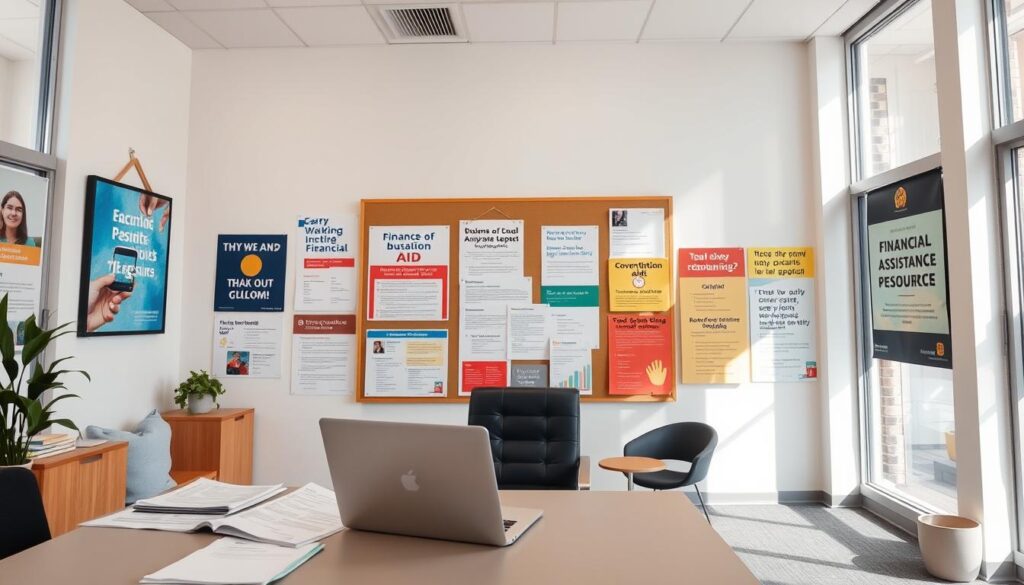
Dealing with money problems can be tough. But, there are many programs to help. In the United States, there are different kinds of financial aid for those who need it.
Temporary Assistance for Needy Families (TANF)
TANF is a federal program for low-income families with kids. It helps families become self-sufficient through work, education, and training. Eligibility varies by state, and you need to show your income and family size to apply.
Supplemental Nutrition Assistance Program (SNAP)
SNAP, or food stamps, helps low-income people buy food. Eligible participants get an EBT card for food at approved stores. It’s key for those who can’t afford food.
Housing Assistance Options
There are programs to help find affordable housing. These include rental help, housing vouchers, and support services. Non-profit organizations work with the government to offer these services.
Utility Bill Assistance Programs
Many places have programs for utility bills like electricity, gas, and water. These programs are vital when money is tight. Local non-profit organizations lead in providing these services, teaming up with the government and others.
In summary, there are many financial aid programs for those facing money troubles. By knowing about and using these resources, people can get the support they need. This can help them financially and improve their overall well-being.
Healthcare-Related Social Services
Healthcare-related social services are key to keeping communities healthy in the United States. They offer medical care and support to those in need.
Medicaid and Medicare Navigation
Finding your way through Medicaid and Medicare can be tough. Social services help people figure out if they qualify and how to sign up. They guide through the application, making sure everyone gets the healthcare they need.
Community Health Centers
Community Health Centers (CHCs) are essential for many. They provide primary care, dental care, and mental health services. Located in areas that need them most, CHCs make healthcare accessible.
Prescription Assistance Programs
Many people find it hard to afford their meds. Prescription assistance programs offer discounts or free meds to those who qualify. Social services help people find these programs and get the meds they need.
Public Health Initiatives in Your Community
Public health initiatives are vital for keeping communities healthy. They include vaccination programs, health education, and disease prevention. Social services work with local health departments to support these efforts, helping communities stay well.
Mental Health Resources in Your Community

Mental health support is key, and many local resources are here to help. Across the United States, communities know how vital mental health is. They’ve set up various services to support their members.
Community Mental Health Centers
Community Mental Health Centers (CMHCs) offer a wide range of services. They provide counseling, therapy, and psychiatric care. These centers are vital for making mental health support accessible to everyone.
Crisis Intervention Services
Crisis intervention is a big part of mental health support. Hotlines and emergency teams are ready to help in mental health emergencies.
Support Groups and Peer Counseling
Support groups let people share their stories and get support from others. Peer counseling, led by those who’ve faced mental health issues, offers extra guidance and understanding.
Substance Abuse Treatment Programs
Substance abuse often goes hand in hand with mental health issues. Programs that tackle both are key for full care.
The table below lists the main mental health resources in communities:
| Resource | Description | Benefits |
|---|---|---|
| Community Mental Health Centers | Provide counseling, therapy, and psychiatric care | Accessible, all-around mental health services |
| Crisis Intervention Services | Quick help during mental health emergencies | Fast support, lowers risk of things getting worse |
| Support Groups and Peer Counseling | Place for sharing experiences and getting support | Emotional support, feeling of community |
| Substance Abuse Treatment Programs | Deal with substance abuse and underlying mental health issues | Full care, better recovery chances |
Family Support Services and Child Welfare
Family support services are key to keeping children safe and helping families in need. They offer many programs to support families and help kids grow up healthy.
Childcare Assistance Programs
Childcare help is important for families. It lets parents work or go to school while their kids are in good hands. The Child Care and Development Fund (CCDF) helps by giving money to families who qualify.
Parenting Resources and Education
Helping parents is vital for raising kids well. Classes, support groups, and home visits can make a big difference in family happiness.
Child Protective Services: When and How They Help
Child Protective Services (CPS) checks on child abuse and neglect. They step in to keep kids safe. CPS works with families to fix problems and keep children safe.
Family Counseling Services
Family counseling services create a safe space for families to talk about problems. They help families get along better and work on their relationships.
Here’s some data on how these services help:
| Program | Description | Benefit |
|---|---|---|
| Childcare Assistance | Financial aid for childcare costs | Enables parents to work or study |
| Parenting Classes | Education on parenting skills | Improves parenting techniques |
| CPS Intervention | Investigation and support for child safety | Protects children from abuse and neglect |
| Family Counseling | Therapy for family issues | Enhances family relationships |
By using family support services, families can get the help they need to do well. It’s important for families to look into these resources and ask for help when they need it.
Senior and Disability Social Services
The United States has many social services for seniors and people with disabilities. These services aim to improve their lives. They help with independence, care, and overall well-being.
Area Agencies on Aging
Area Agencies on Aging (AAAs) are key in supporting older adults. They help them stay independent in their communities. AAAs offer programs like nutrition services, transportation, and caregiver support.
Home and Community-Based Services
Home and Community-Based Services (HCBS) support those who want to stay at home. They provide home health care, adult day care, and personal care. This way, people can avoid institutional care.
Disability Rights and Advocacy Resources
There are many resources for people with disabilities. Organizations like the Disability Rights Education and Defense Fund (DREDF) fight for their rights. They also provide educational programs.
Assistive Technology Programs
Assistive Technology (AT) programs give devices and services to improve independence. They offer assessments, device provision, and training. This ensures the technology is used effectively.
These social services greatly improve the lives of seniors and people with disabilities. They help maintain independence and community participation.
Employment and Education Support Services
Employment and education support services help people reach their career goals. They give the skills and resources needed for better jobs. This improves their social and economic status.
Community support is key in making these services available. Outreach programs reach out to those who need help the most. This ensures everyone gets a chance to benefit.
Job Training and Placement Programs
Job training and placement programs teach the skills needed today. They cover vocational training, resume making, and interview prep.
Adult Education Opportunities
Adult education, like GED prep and English classes, boosts educational levels. Community colleges and non-profits often offer these programs.
Vocational Rehabilitation Services
Vocational rehabilitation helps people with disabilities find jobs. It includes counseling, training, and job placement help.
Unemployment Benefits and Support
For the jobless, unemployment benefits and support offer financial help. They also guide in finding new jobs.
| Service | Description | Target Audience |
|---|---|---|
| Job Training | Vocational training and job placement assistance | Unemployed or underemployed individuals |
| Adult Education | GED preparation and English language classes | Adults seeking educational advancement |
| Vocational Rehabilitation | Counseling, job training, and placement for individuals with disabilities | Individuals with disabilities |
Outreach Programs and Community Support Organizations
Community support comes from many places. This includes faith-based services, non-profit groups, and volunteers. These groups are key in helping those in need with social services and health programs.
Faith-Based Community Services
Faith-based groups often lead in helping others. They use their community ties and resources to support families and individuals. Many churches, synagogues, and mosques run food banks, shelters, and counseling services. These efforts not only help but also build a sense of community and belonging.
A study shows faith-based groups play a big role in social services. They get funding from governments to help with their work.
Local Non-Profit Organizations
Local non-profits are also important. They focus on issues like homelessness, education, or healthcare. They offer specific solutions to complex problems.
The United Way is a great example. It works across the U.S. to improve communities through education and financial stability programs.
Volunteer Opportunities in Social Services
Volunteering is key in social services. It helps organizations reach more people. You can help out in many ways, like serving at soup kitchens or joining community clean-up events.
- Volunteering lets you connect with your community.
- Skills-based volunteering offers specialized help.
- It gives a sense of purpose and community connection.
Finding Reputable Organizations in Your Area
It’s important to find trustworthy community groups. Look into their mission, financials, and impact. This ensures they meet your needs or values.
| Organization Type | Services Offered | How to Engage |
|---|---|---|
| Faith-Based | Food banks, shelter, counseling | Contact local places of worship |
| Non-Profit | Education, healthcare, housing | Visit organization websites |
| Volunteer Groups | Varied community services | Check volunteer matching sites |
Knowing about outreach programs and support groups helps you find help or give back. Whether through faith, non-profits, or volunteering, there are many ways to support your community.
“The best way to find yourself is to lose yourself in the service of others.”
Conclusion: Making the Most of Available Social Services
Social services are key to bettering lives by linking people to local help. They offer vital support through various services, like mental health resources. These services are essential for those in need.
Finding your way through the social services system can be tough. But, it’s a vital step to get the help you deserve. There are many resources available, from financial aid to education support.
To fully benefit from these resources, you need to be aware and take action. By using the social services and mental health resources discussed here, you can face challenges head-on. This way, you can enhance your life’s quality.
1 thought on “Social Services: Connecting You to Local Resources”